
Korean Fried Chicken Recipe | Extra Crispy, Sticky, Sweet & Spicy
- March 7, 2026
- 0 Comment
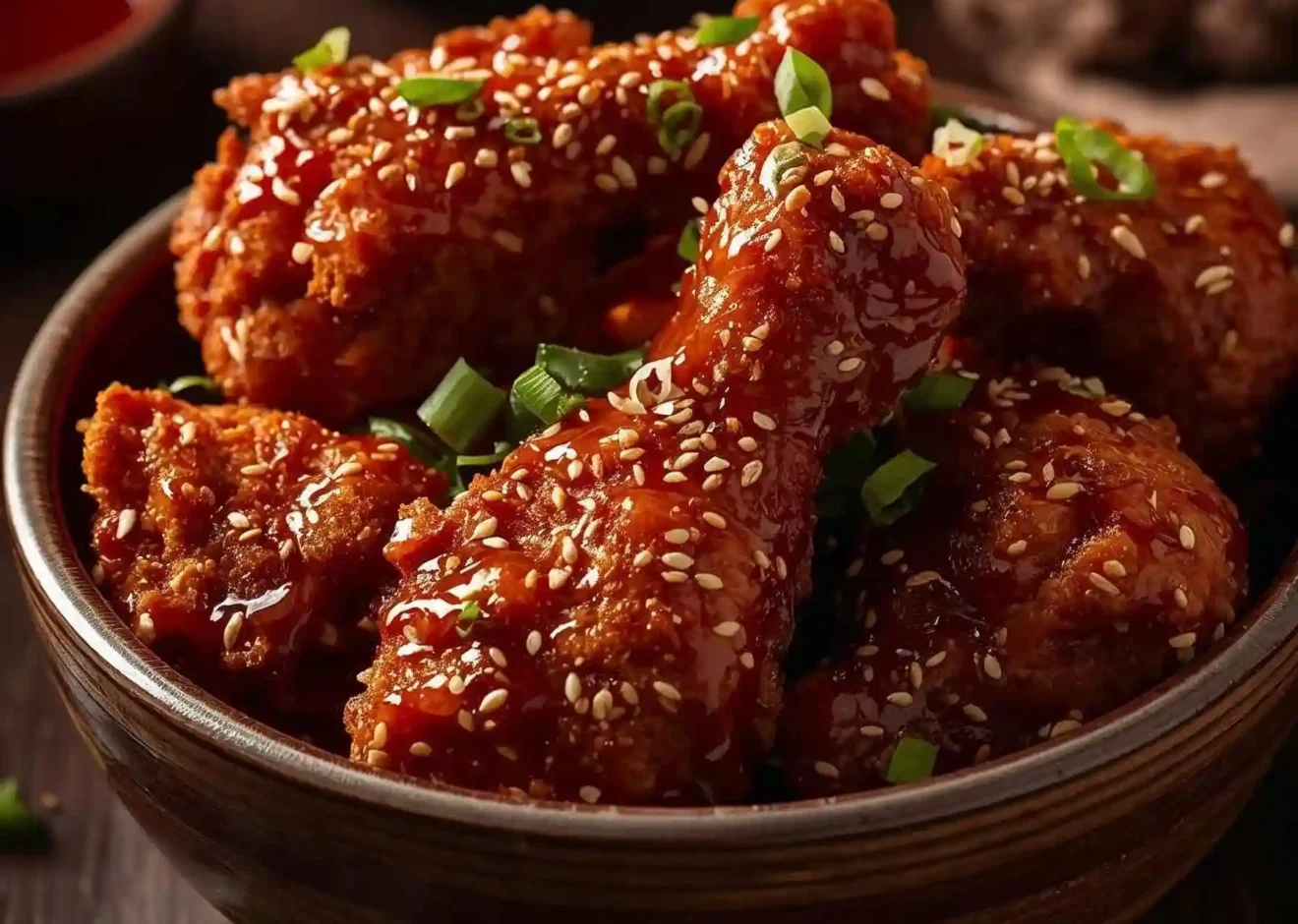
Crispy, glossy, sweet, spicy, and deeply savory, this Korean Fried Chicken recipe delivers the kind of addictive crunch and sticky gochujang glaze that made this dish famous worldwide. With a light double-fried coating and a bold Korean-style sauce, this is the kind of recipe that feels restaurant-worthy yet is fully achievable in a home kitchen.
Why this recipe works: a starch-forward batter creates a thin shatteringly crisp crust, double-frying keeps the chicken juicy while maximizing crunch, and the balanced glaze combines gochujang, garlic, ginger, soy, honey, and sesame for a flavor that is sweet, spicy, sticky, and irresistibly savory.
25 mins
25 mins
50 mins
4 servings
Main / Appetizer
Medium
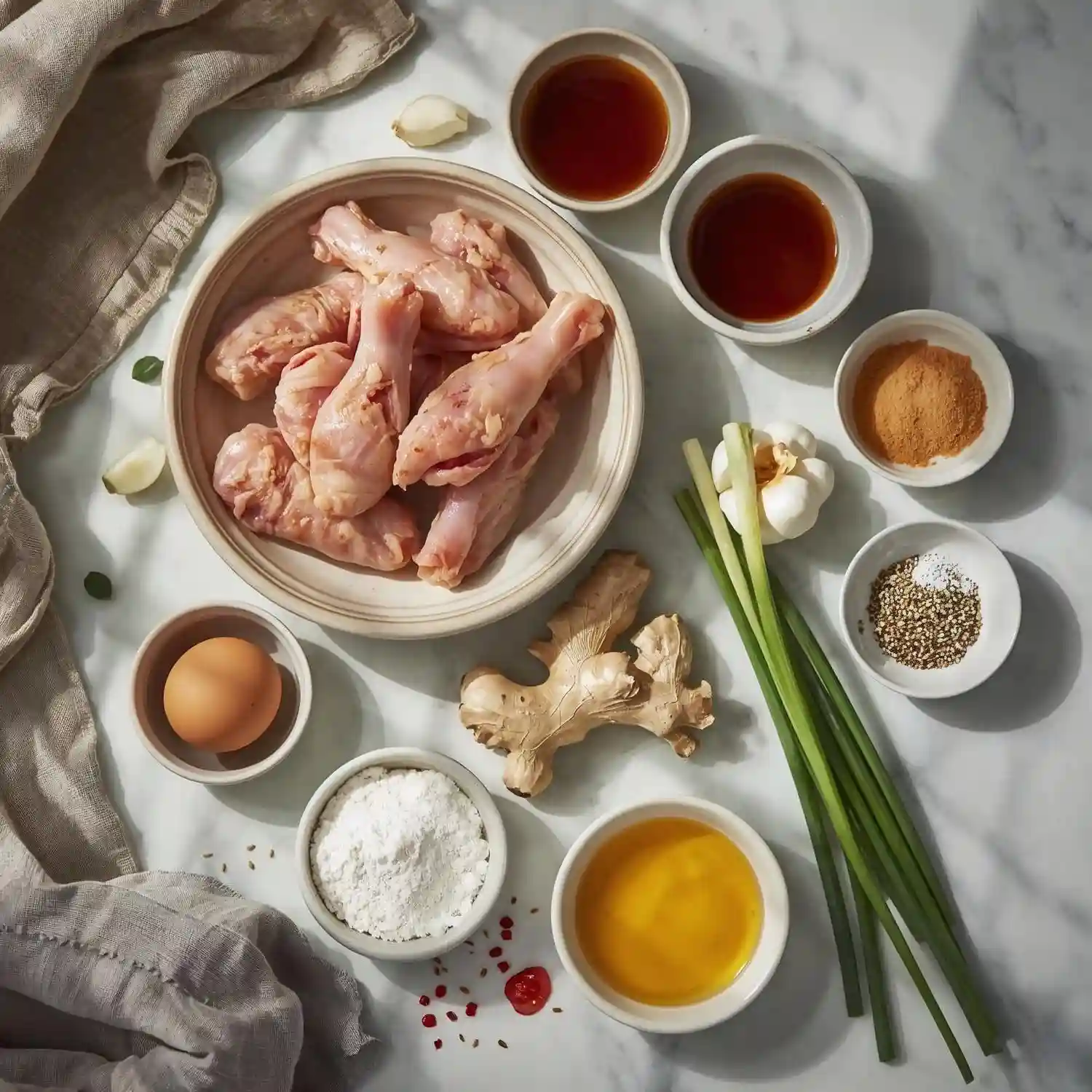
What Makes Korean Fried Chicken Different?
Korean Fried Chicken stands apart from many other fried chicken styles because the crust is typically lighter, crisper, and less bready. Instead of a thick heavy coating, it relies on a delicate shell that stays crunchy even after the chicken is tossed in sauce. The second defining feature is the glaze: a shiny, flavor-packed coating that balances heat, sweetness, saltiness, and umami in one bite.
This version is designed to give you that signature contrast between juicy chicken, crackly exterior, and sticky gochujang glaze, while still using ingredients that are realistic for a home cook.
Ingredients
For the Chicken
- 2 lb (900 g) chicken wings, split into drumettes and flats
- 1 teaspoon salt
- 1/2 teaspoon black pepper
- 1 teaspoon garlic powder
- 1 teaspoon fresh grated ginger
- 2 tablespoons rice vinegar or lemon juice
For the Coating
- 1 cup (130 g) all-purpose flour
- 3/4 cup (95 g) cornstarch
- 1 teaspoon baking powder
- 1/2 teaspoon salt
- 1/2 teaspoon paprika (optional)
- 1 large egg
- 1/2 cup (120 ml) cold water, plus a little more if needed
For Frying
- Vegetable oil, canola oil, or peanut oil
For the Korean Sauce
- 2 tablespoons gochujang
- 2 tablespoons ketchup
- 2 tablespoons honey
- 2 tablespoons brown sugar
- 2 tablespoons soy sauce
- 1 tablespoon rice vinegar
- 1 tablespoon sesame oil
- 3 garlic cloves, minced
- 1 teaspoon fresh grated ginger
- 2 tablespoons water
For Garnish
- 1 tablespoon toasted sesame seeds
- 2 green onions, thinly sliced
Ingredient Highlights and Practical Notes
Gochujang: the heart of the sauce. It brings fermented depth, mild sweetness, and chili heat in one ingredient.
Cornstarch: essential for the light, crisp exterior. It helps create the delicate crackly shell Korean Fried Chicken is known for.
Chicken wings: classic and flavorful, but boneless thigh pieces can also be used for a meatier bite.
Cold batter: helps the coating fry up lighter and more textured.
Double frying: not optional if you want the best result. The first fry cooks the chicken, while the second fry dries and crisps the exterior.
How to Make Korean Fried Chicken
1. Season the chicken
Pat the chicken very dry with paper towels. Place it in a large bowl and toss with salt, black pepper, garlic powder, grated ginger, and rice vinegar. Let it sit for 20 to 30 minutes if possible.
2. Prepare the batter
Whisk together the flour, cornstarch, baking powder, salt, and paprika. In a separate bowl, beat the egg with the cold water. Combine wet and dry ingredients to make a loose batter. It should coat the chicken lightly, not heavily.
3. Heat the oil
Fill a deep pot with 2 to 3 inches of oil and heat it to 325°F (163°C). Set a wire rack over a tray nearby.
4. First fry
Dip each piece of chicken into the batter, letting the excess drip off, then fry in batches for 6 to 8 minutes until lightly golden and mostly cooked through. Transfer to the rack and let rest 5 minutes.
5. Second fry
Increase the oil temperature to 375°F (190°C). Fry the chicken again for 2 to 4 minutes until deeply golden and very crisp. The internal temperature should reach 165°F (74°C).
6. Make the sauce
In a small saucepan, combine gochujang, ketchup, honey, brown sugar, soy sauce, rice vinegar, sesame oil, garlic, ginger, and water. Simmer for 2 to 3 minutes until glossy and slightly thickened.
7. Toss and serve
Place the hot fried chicken in a large bowl and toss quickly with the sauce until lightly coated. Finish with sesame seeds and green onions, then serve immediately for maximum crunch.
Nutrition, Energy, and Functional Benefits
Korean Fried Chicken is an indulgent recipe, but it also provides meaningful nutritional value, especially through its protein content. Chicken offers high-quality protein that helps support satiety and muscle maintenance, while ingredients like garlic and ginger contribute aromatic compounds widely appreciated in savory cooking.
The glaze brings powerful flavor in a relatively small quantity, which means you get strong sensory impact without needing an overly heavy sauce. Sesame and sesame oil add depth and a small amount of healthy fats, while gochujang contributes fermented complexity that makes the dish more layered and satisfying.
Approximate Nutrition Per Serving
- Calories: 520 to 560 kcal
- Protein: 26 to 30 g
- Carbohydrates: 25 to 32 g
- Sugars: 10 to 14 g
- Fat: 30 to 35 g
- Saturated Fat: 6 to 8 g
- Sodium: 800 to 950 mg
Energy Profile
This is a high-energy, high-flavor meal that works well for sharing platters, game nights, weekend dinners, and comfort-food occasions. Because it combines protein, fat, and carbohydrates, it is highly satisfying and tends to feel more substantial than lighter chicken dishes.
Ways to Make It Lighter
- Use boneless skinless chicken thighs and apply less sauce.
- Serve with cucumber salad or pickled vegetables instead of fries.
- Pair it with steamed rice and a fresh side rather than creamy accompaniments.
- Keep the glaze thin and glossy instead of heavily coating every piece.
Practical Tips for the Best Result
- Dry chicken thoroughly: surface moisture weakens the crust.
- Use a thermometer: keeping the oil stable is one of the biggest differences between average and excellent fried chicken.
- Fry in small batches: overcrowding cools the oil and leads to soggy coating.
- Rest between fries: that short pause helps the coating set properly.
- Toss lightly, not excessively: too much sauce can soften the crust quickly.
- Serve right away: Korean Fried Chicken is at its absolute best hot and fresh.
Serving Suggestions
This recipe is extremely versatile and can be served as a party appetizer or a full meal. It pairs especially well with:
- Steamed white rice
- Pickled radish
- Kimchi
- Cucumber salad
- Korean slaw
- French fries or potato wedges
- Cold noodles
Storage and Reheating
Refrigerator: Store leftovers in an airtight container for up to 3 days.
Freezer: Freeze the fried chicken unsauced for up to 2 months for better texture later.
Reheating: Reheat in the oven or air fryer at 375°F (190°C) until hot and crisp. Avoid microwaving whenever possible, as it softens the coating.
Frequently Asked Questions
Why is Korean Fried Chicken so crispy?
The light coating, high starch ratio, and double-frying technique work together to create a thin crackly crust.
Can I make it less spicy?
Yes. Reduce the gochujang and slightly increase the ketchup or honey for a milder glaze.
Can I use boneless chicken?
Yes. Boneless chicken thighs are an excellent option and remain juicy after frying.
Do I really need to double-fry?
For the best texture, yes. The second fry is what gives the chicken its signature crispness.
What does gochujang add to the recipe?
It adds sweet heat, savory depth, and a fermented complexity that defines the glaze.
Final Thoughts
Korean Fried Chicken is one of those rare recipes that feels both exciting and comforting. It delivers visual appeal, serious crunch, rich aroma, and a sauce that instantly makes it memorable. Whether you are creating content for a recipe site or making a crowd-pleasing dinner at home, this is the kind of dish that earns attention because it looks spectacular and tastes even better.
With the right frying technique, a balanced glaze, and a few practical tips, you can recreate the polished, high-end feel of the world’s leading recipe platforms while still keeping the recipe approachable and realistic.